Inspiring Curiosity, Agency, Reflection, & Empathy
Check out the On-Demand Resources Available

3 Stages of Success for Exercising your Dog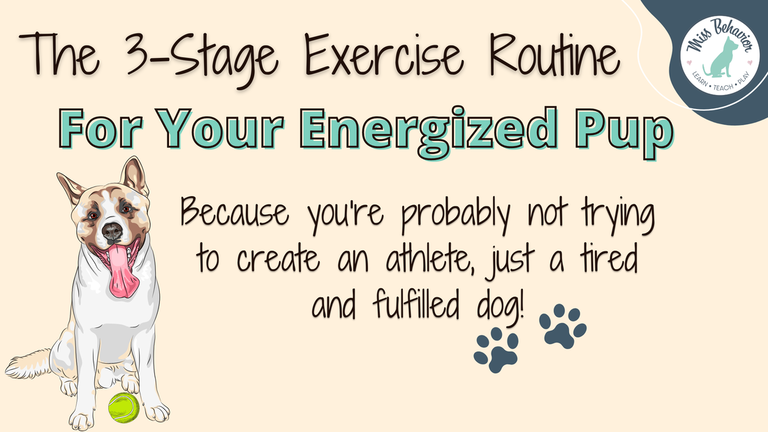 Does your dog leave the house wired for a walk? Or maybe when he comes home, he's a little extra revved up and struggles to regulate his emotions? He might run the zoomies immediately AFTER he gets home. He might get mouthy, picking on you or his housemates, get destructive with toys or beds, jump and attention seek like crazy? You are not alone!
1 Comment
6/9/2022 0 Comments WTF!?WTF, pup?That's right. This is something I think often when it comes to dog behavior and dog training. But what do I mean? Why am I thinking this way?  Punishment Based Training - Is it worth the risk?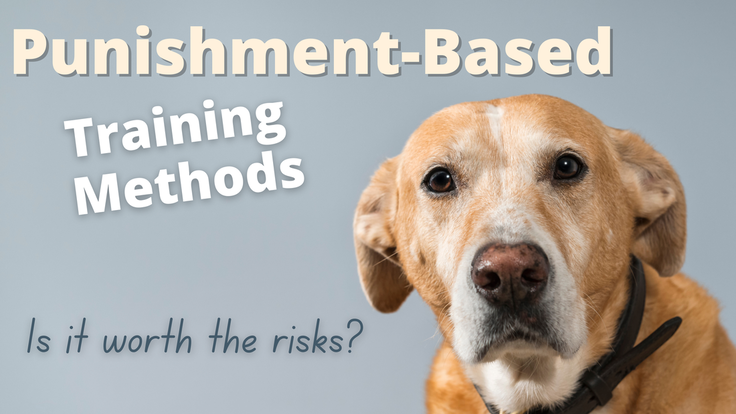 There are many reasons why I choose positive training methods.
In my opinion, there is far too much risk associated with punishment-based/coercive/aversive methods. I am not here to judge choices. I am here to teach. To learn. To grow. And to follow my own personal principles. Look, punishment based methods wouldn't be around if they didn't work. When they do work, there is a lot of reinforcement for the one who applied it, so they stick. The animal listened and isn't that the ultimate goal? Maybe I am here today to tell you about the risks that I often see around training methods that include physical corrections, alpha rolls, verbal corrections, prong collar corrections, coercion, and the like. 3/2/2022 0 Comments The Power of Trick TrainingImproved attention, a better relationship, and a bigger vocabulary for your dog. What other type of training can do all that?  11/23/2021 0 Comments Turkey Day Tips for you and your dogHere are some quick tips to help you and your pup successfully get through Thanksgiving Here is a round-up of Turkey Day Tips for last-minute situations10/26/2021 2 Comments There are no blank slatesIf we want to live with our dogs successfully, we can't ignore the gene pool. The truth is - no puppy is born as a clean slate. There are thousands of years of reinforcement history in their genes. Looking at genetics is just as important as looking at your dog's learning history, their environment, health, age, etc. Inspired by Kim Brophey's LEGS model in Meet Your Dog and her Family Dog Mediator Course, I would encourage you to spend some time getting to know your dog so you can set realistic expectations and stop trying to fight an uphill battle. Sometimes the best thing we can do for our dogs is get to know them as they are.  If you aren't sure which of these groups your dog belongs to, I would encourage you to head over to The Dog Key to enter your breed or take the quiz to help narrow it down!
How do you feed your dog and why does it matter?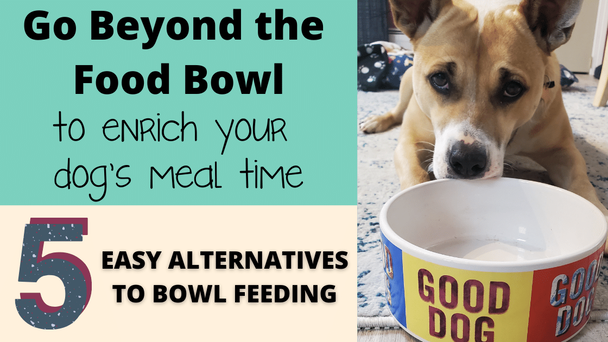 Why is it that we feed out of food bowls anyways? If I told you to ditch the food bowl, how would you feel? Would you question how else you could feed your dog? Would it feel like too much work… too time consuming? Cruel to the dog? Did you know that studies have proven that feeding out of enrichment toys decreases many behavior problems? Now, I can’t ask the dog how he feels but to me, that says that boredom is much more likely to cause behavior issues. If our dogs are working at their food for a longer period of time, they’re using their brains, their problem solving abilities, their physical energy. What are they not doing? Barking, jumping, begging, digging, chewing, biting us, chasing the cat, and the list could go on and on. See what I’m getting at?
How you talk to your dog makes all the difference in how he is likely to respond to you During a private training session the other day, I was asked a great question! As my client's husband was calling his dog over and had repeated "come" a few times in a row, she asked: "Aren't you supposed to only say the cue once?" This time, I saved her husband. What he did was actually exactly what I would do, mostly... I'll explain But first, let me ask you this: When you call your dog over to you, is your tone high or low? Do you say it once or repeat it over and over again? When you tell your dog to STAY, how is your tone then? How about LEAVE IT? How about when you ask your dog if he "Wants to go for a ride?" Think about how different your tone might be in all those different situations. What if you see a loose dog up ahead and you know it's not going to go well if that dog comes running over to your dog - might there be a change in your tone then, too? I think that's reasonable! But... Did you know that tone makes a huge difference in HOW our dogs respond to us? Ok, maybe you did but I would guess that you might still be underestimating the significance of it.
Dominance is not a dog's identity. Before you can understand how that can be true, it’s important to understand what dominance is and what it is not, especially as it applies to our dogs.
 Here are the stages that will help set your training progress up for successWhen you are dealing with big emotions in dogs, it's important to break down the training process into smaller achievable goals that set everyone up for success.
Reactivity is simply responsiveness to a stressor, trigger, or something exciting in the environment. It can be really difficult for them to think or learn when they are in that state of mind, just as it can be hard for you to take in new information when you're in the same state of mind. When we expect too much from our dogs too soon, it can really set back our training progress leaving both ourselves and our dogs very frustrated and feeling defeated. For that reason, I'm going to show you the 6 stages to focus on to help find your success path in the training process |
|

 RSS Feed